Course Catalog
Learn a language
51 constructed languages ready to learn — pick one and start a course.
Gallifreyan
by Ava Jones
1 course
A fan-made Gallifreyan language for Doctor Who. Based in part on several abandoned Gallifreyan conlangs, including Morpheme Salad and Collective Gallifreyan. Must have been created over a decade ago, in a very messy spreadsheet. The spreadsheet identifies it both as 'Gallifreyan Conlang' (in the file title) and 'Unified Gallifreyan' (on one page). It was designed with a modified Doctor's Cot writing system in mind, and seems to have had music notation at one point, but those images no longer load properly, and I never wrote any text description.
2lessons2learners
Start learning
Iitearh'o
by Ophanim
1 course
The language used in Iitearho on Eihtioun.
5lessons2learners
Start learning
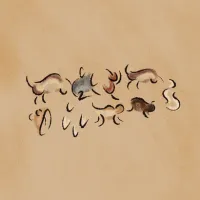
Ochreglyph
by Kendall
1 course
Aksӑhahhbu (ɐkt͡s*hɐhhbu), meaning the Language of the Steppe, is a hypothetical language based on cave paintings and ancient scripts, such as Proto-Sinaitic. It was used primarily by an obscure culture in North America that inhabited mammoth steppes. The language is dated somewhere before the Late Pleistocene-early Holocene extinction (13,000-11,000 BP). The language is nicknamed Ochregraph or Ochreglyph because ancient peoples used ochre as a material for painting. Ochreglyph is read from left to right, bottom to top. It uses VSO, but has a free word order.
5lessons2learners
Start learning
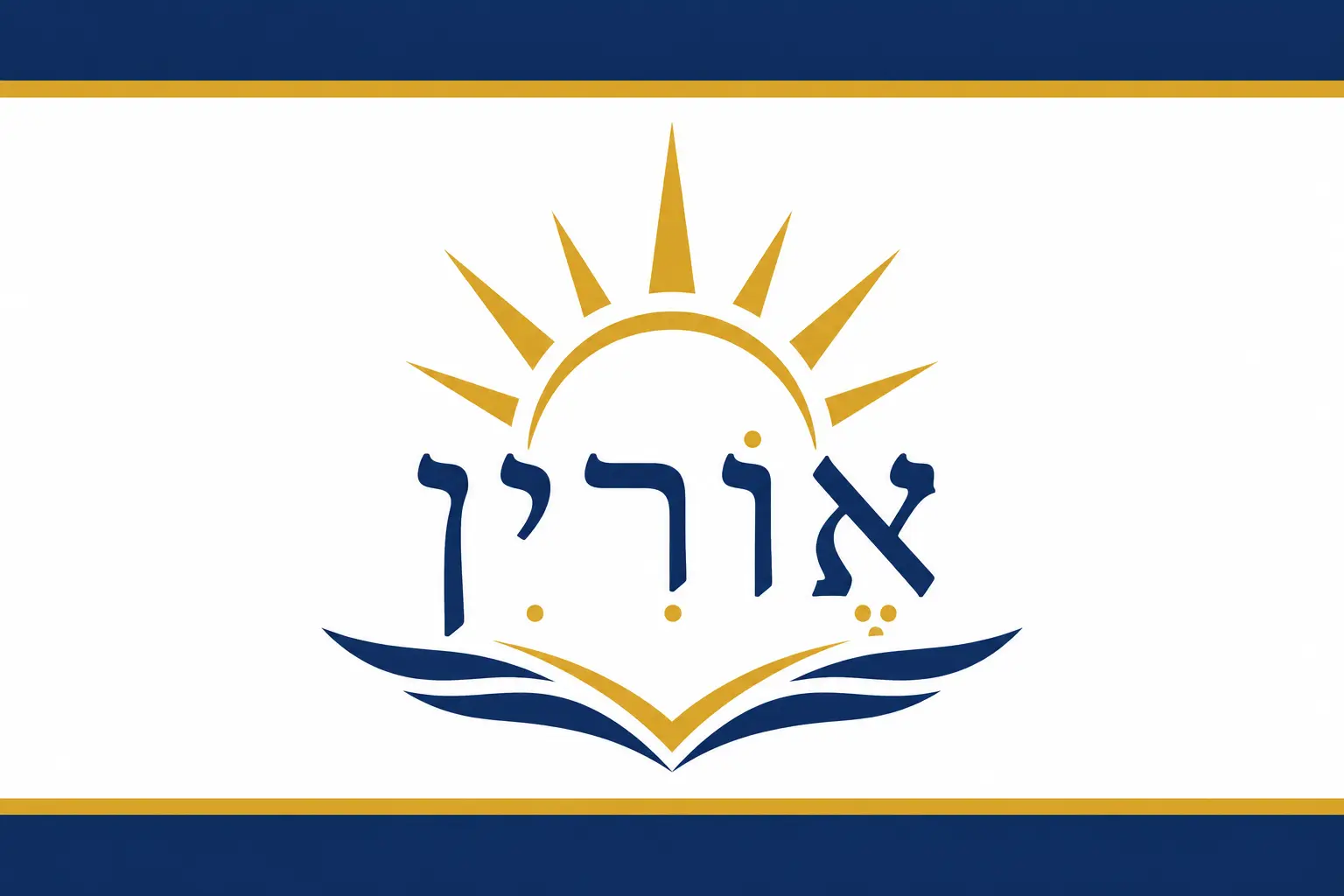
Orin
by Alexander
1 course
Orin (אוֹרִין, ‘clarity / light’) — a strictly regular a priori grammar over Hebrew letters with mandatory full niqqud, simplified phonology, invariant morphology (no grammatical gender), fixed SVO word order, single verb pattern, and global borrowings for modern vocabulary.
1lessons2learners
Start learning
Vụẹfíba
by I.D Anyanwu
1 course
Dialect/Script of Nkamuo
5lessons1learners
Start learning
Koþronul
by wernasho
1 course
1lessons1learners
Start learning
Hinderlendsjk
by Johron
1 course
4lessons1learners
Start learning
Dulčň*ňgur
by Nicolas Rodriguez
1 course
8lessons1learners
Start learning
Cerviteng
by Kendall
1 course
Cerviteng is a Latin-like Draconic language spoken in Kaamsel. It is the most spoken language in the world. This was my first conlang I ever made when I was a kid. It was intended to be a lighter and more breathy language, as opposed to the more stark and harsh Draconic languages. It focuses primarily on the storyteller, with gender being determined by the speaker/writer.
13lessons1learners
Start learning
quxha'nox
by Antony Steiner
1 course
2lessons1learners
Start learning

Sanggut
by Marieeee
1 course
Sanggut, (Kawi:باسولي ساڠعوتان) is a Formosan Language located on North of Indonesia and Southern region of The Philippines. The majority of Sanggutine is a Sunni Muslim, giving the reason on why they are using Kawi to write their language.
2lessons1learners
Start learning
Htyailo
by Marieeee
1 course
Htyailo or Aawarraung in Burmese is a Tibeto-Burmese language that is spoken on the northern region of Myanmar, Spamming from Yunnan to a fictional State called Htyamje that were seperated from Kachin in recent years. The reason they use Latin script instead of Burmese script is due to Catholic Missionary in Myanmar during British era inventing a way to write this language.
2lessons1learners
Start learning
Yumé
by Zayden Choudhury
1 course
A language with only four letters: yumé, yumé (the language), yoom, yum
2lessons1learners
Start learning
Droganzhii
by Jose Gonzalez
1 course
The language of the dragon race in my world of Revelisk. Spoken first before moving to stone tablets for recording information and then to paper.
3lessons1learners
Start learning
Ghanu
by Mr. Blockz
1 course
Ghanu is the langue of the Ghani people.
1lessons1learners
Start learning
Kreẋ Naṃ
by DwaveThePebble
1 course
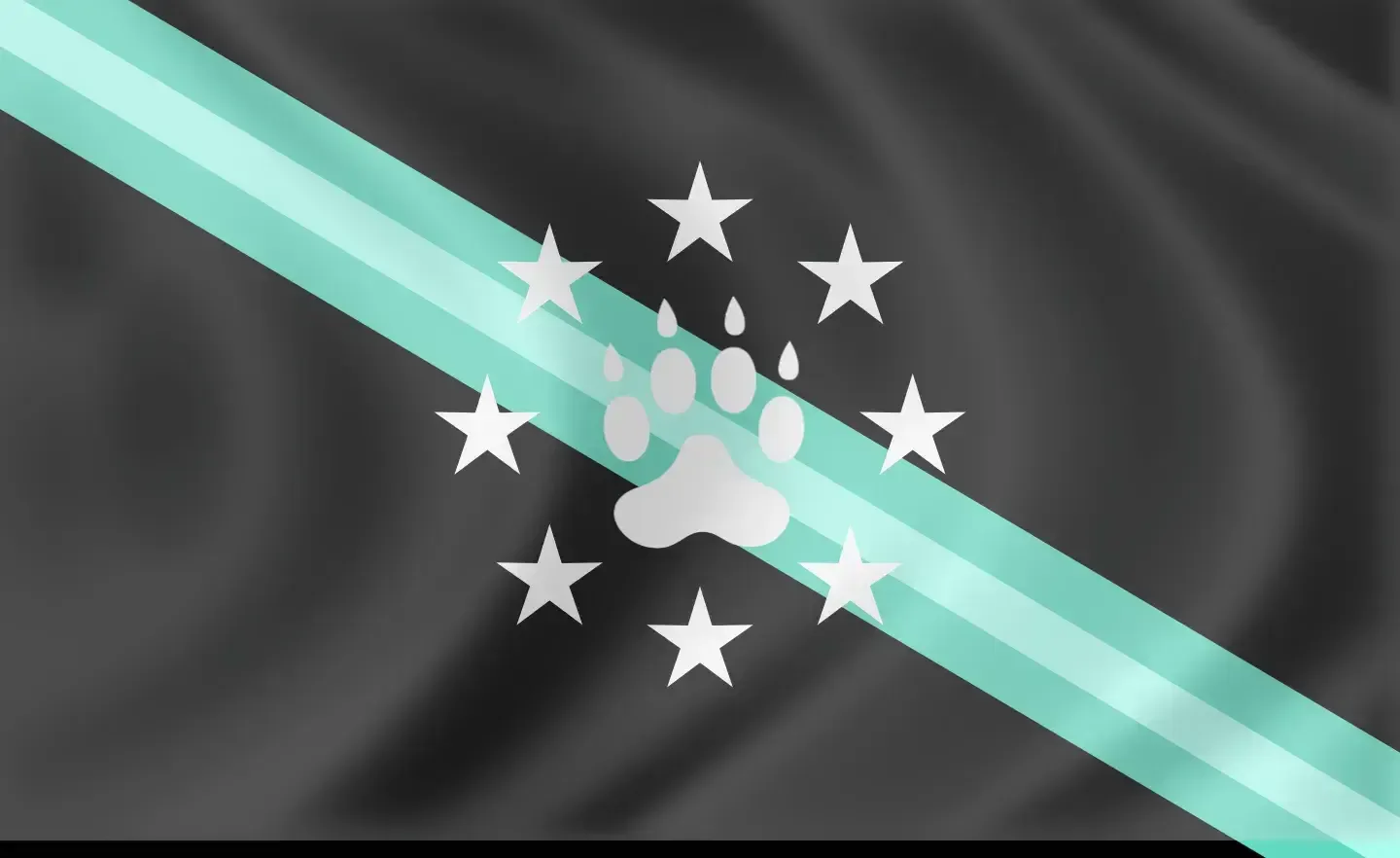
Kreẋ Naṃ (pronounced /kɹɛɣ nɑm̥/, means "white snow") is the language spoken by the Həkreẋ people, a human-wolf race on the planet of Tria Asteria, which orbits Polaris, primarily living in the country of Naṃmin. It is an agglutinative language with VSO word order and 6 cases. For info on the script, see the articles "Traditional Ṇanra Script" and "Modern Ṇanra Script".
1lessons1learners
Start learning
Classical Tagan
by Passordis waterbottle
1 course
1lessons1learners
Start learning
Khirlotan
by Leavexify 19
1 course
Khirlotan comes from the sentence "Khirol at paura otan" or in english, "Language of the mountain people" the sentence simplify into a single word, that is now the name of the language. Khirlotan does originate from the people who lives in the mountains, they used to carve on stones and rocks because that is all they have surrounding them, and that's why most letters of the Khirlotan Alphabet is mostly straight lines, though still containing some curvy elements.
2lessons1learners
Start learning
Orangian
by ChoccyMilk
1 course
This is the language of the Orangian people, and it’s also the official language of the Socialist Republic of Orangia. Also, this is my first conlang. The flag that would be shown if I could figure out how to do so is that of the Socialist Republic of Orangia, which is the only nation that has Orangian as the official language.
1lessons1learners
Start learning
Katur
by Mr. Blockz
1 course
Old Katur was used by the Katuri people of the region of the southern sun
1lessons1learners
Start learning
Tsa'ka
by Michael Kelder
1 course
Tsa'ka is a new, living language that I have developed myself — a language of light, power, and emotion. It is not a simple conlang: Tsa'ka has its own alphabet, runes, culture, and rituals. emotions, such as: Mae'vanu — love Nae'shor — sorrow Sha'kor - anger Nira'thae — fear A unique sound structure, grammar, and spiritual symbolism A culture based on connection, essence, and energy Example sentences Mae’vanu tora io. — I feel love for you Sha’kor lenai. — I am angry Lua’shen tora mae. — I am calm
1lessons1learners
Start learning
gatlation
by Weston Weppler
1 course
the language uncanonically used by the gateway people
1lessons1learners
Start learning
Proto-Tesconian (Tescopiekë)
by RandomLanguages
2 courses
(As spoken during the year 155 PFA.) A language descended from English, spoken by sentient groceries in a Tesco store somewhere. It has an SVO word order and fusional morphology.
6lessons1learners
Start learning
Lhoen
by Luna Smith
1 course
A language for my future game
1lessons1learners
Start learning