LingoCon

Browse

Discover 736 public constructed languages

20 of 736
Category:
Sort by:
VA

Vasso

by James Mathewson IV

Vasso is my first language that I've gotten far with.

03300
Aledi

Aledi

by Phil Leasure

Aledi (/aˈleːdi/) is a constructed language defined by its sharply patterned sound, pure alveolar consonant system, and strong front/open vowel quality. It uses semantic noun classes, regular suffixal morphology, class-based pronouns, a base-8 numeral system, and an unusual sun-oriented spatial logic rather than an ordinary left-right distinction. With its penultimate stress, compact syllable structure, and slightly absurd but highly controlled design, Aledi is intended to sound distinctive, elegant, and a little strange.

1812302
ˆ¯

ˆ ¯'˘¯'¯¯''¯¸¯¯¯¯'¯ (Liksi)

by UIII

Uhhh idk I'm too young to know ;D

10400
Askathal Language

Askathal Language

by Vorsitzenderin Sofia

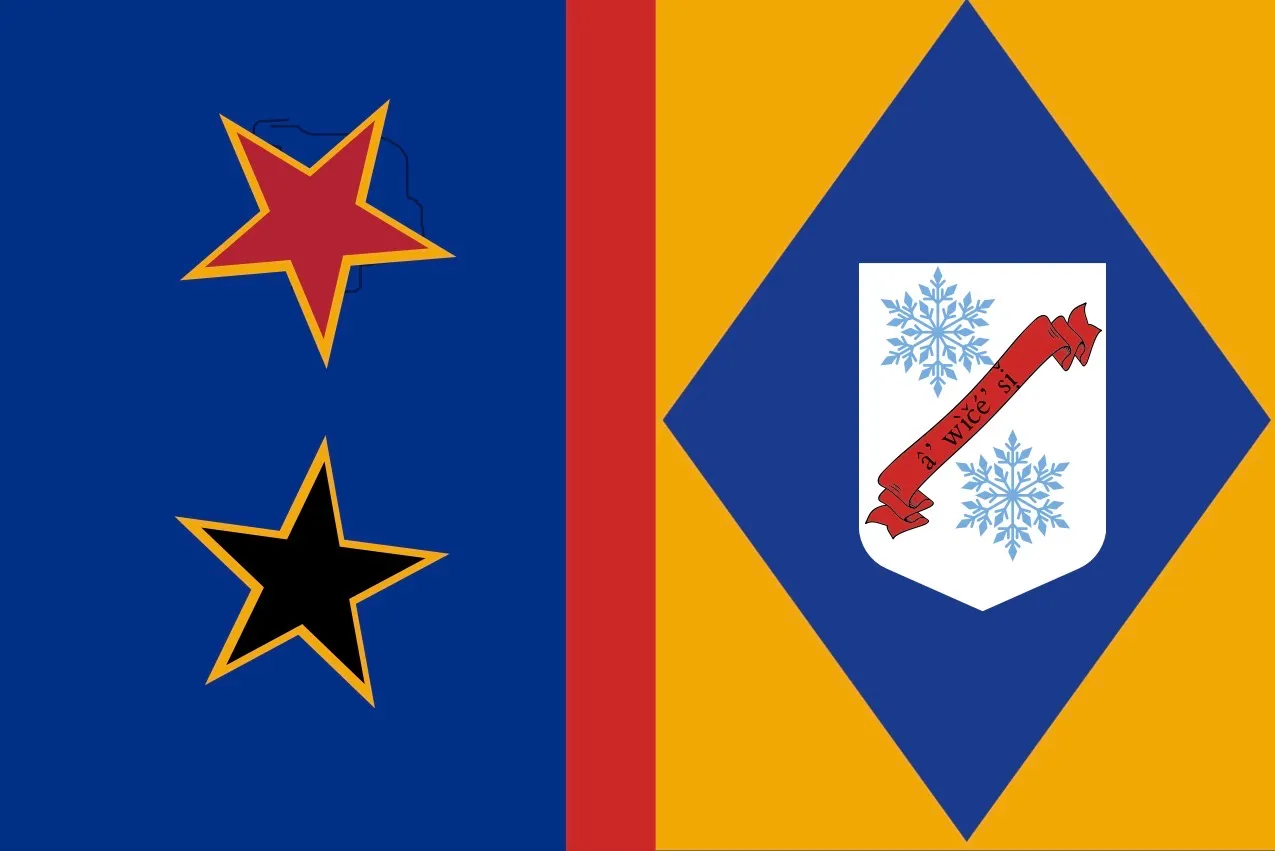
Askathal (/ɘǀt͡ʃʼːʜɔːɺ/) is a highland language associated with the cold upland interior and distinguished by a compact but strongly marked phonological profile and a tightly structured grammar. It displays a predominantly (C)(C)V(C) syllable structure with regular penultimate stress, and has a mid-heavy vowel system /e ø ɘ ɵ ɤ o ɛ ɔ/ with phonemic length. Its consonant system is centred on the dental click /ǀ/, the nasal dental click /ŋ͡ǀ/, the voiceless epiglottal fricative /ʜ/, and the alveolar lateral flap /ɺ/, while ejective consonants /tʼ kʼ qʼ t͡sʼ t͡ʃʼ t͡ɬʼ/ are restricted to positions immediately adjacent to /ǀ/. Morphosyntactically, Askathal is mildly agglutinative and predominantly suffixing and cliticising, with head-final clause structure, postpositions, singulative and collective number marking rather than a simple plural opposition, ecological classifier contrasts in deixis, proximate-obviative third-person reference, and a TAM system organised around aspectual clitics.

3543101
NG

Ngulhaaza

by Cinerarius

The language of the Ngulhaaq people, and a lingua franca between the various cultures of their empire.

242800
Huipuia Oe

Huipuia Oe

by Ethan Crossman

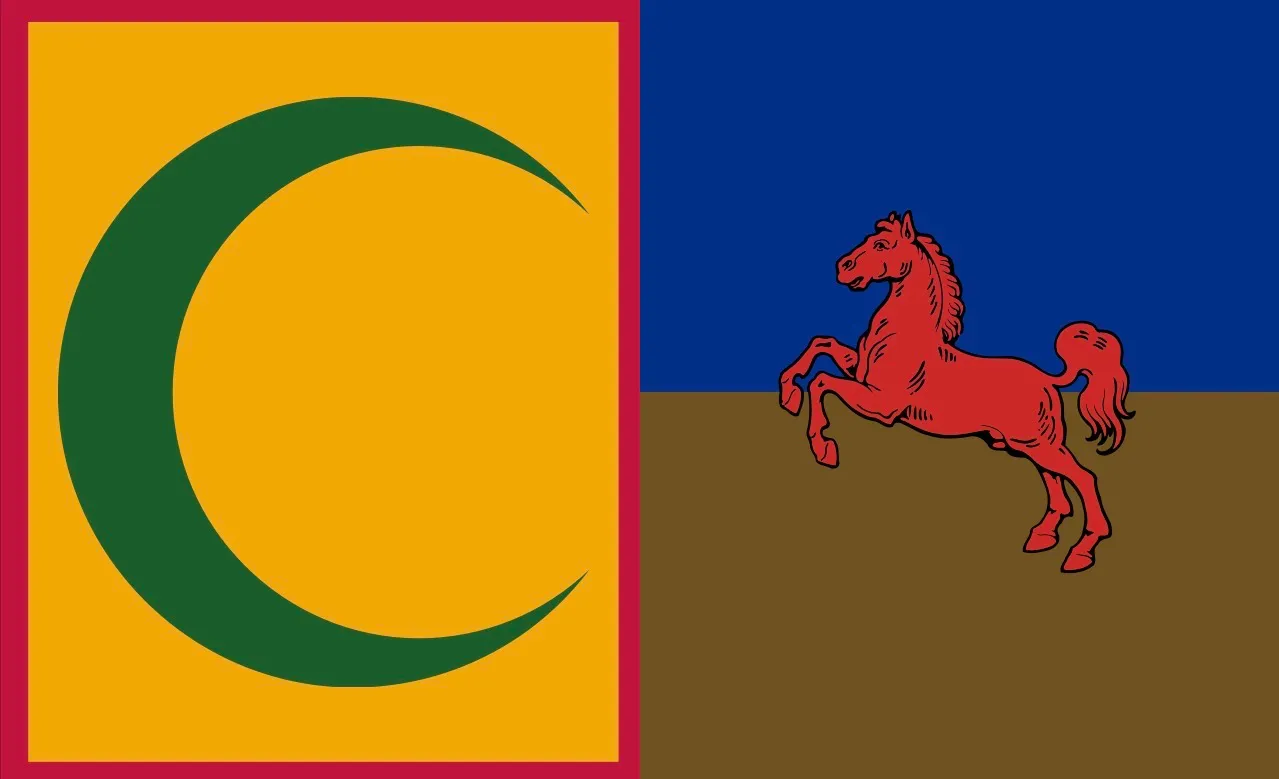
Huipuia Oe is the most spoken language in Kuhukli Paka on the island of Harda. It is part of the Cahook language family. The approximate number of speakers is around 6 million as of 2026. The most spoken dialect is that of the metropolitan area of Mana Ka. This dialect serves as a de-facto standard in media and education due to the city's influence, also globally with the trade unions cultural outreach and language courses to attract foriegn talent to KP.

2000
M(

Mallondori (Romanised)

by calientexcoli

Language of Mallondor.

332110
AN

ankmdi'o

by Kiefer Weston

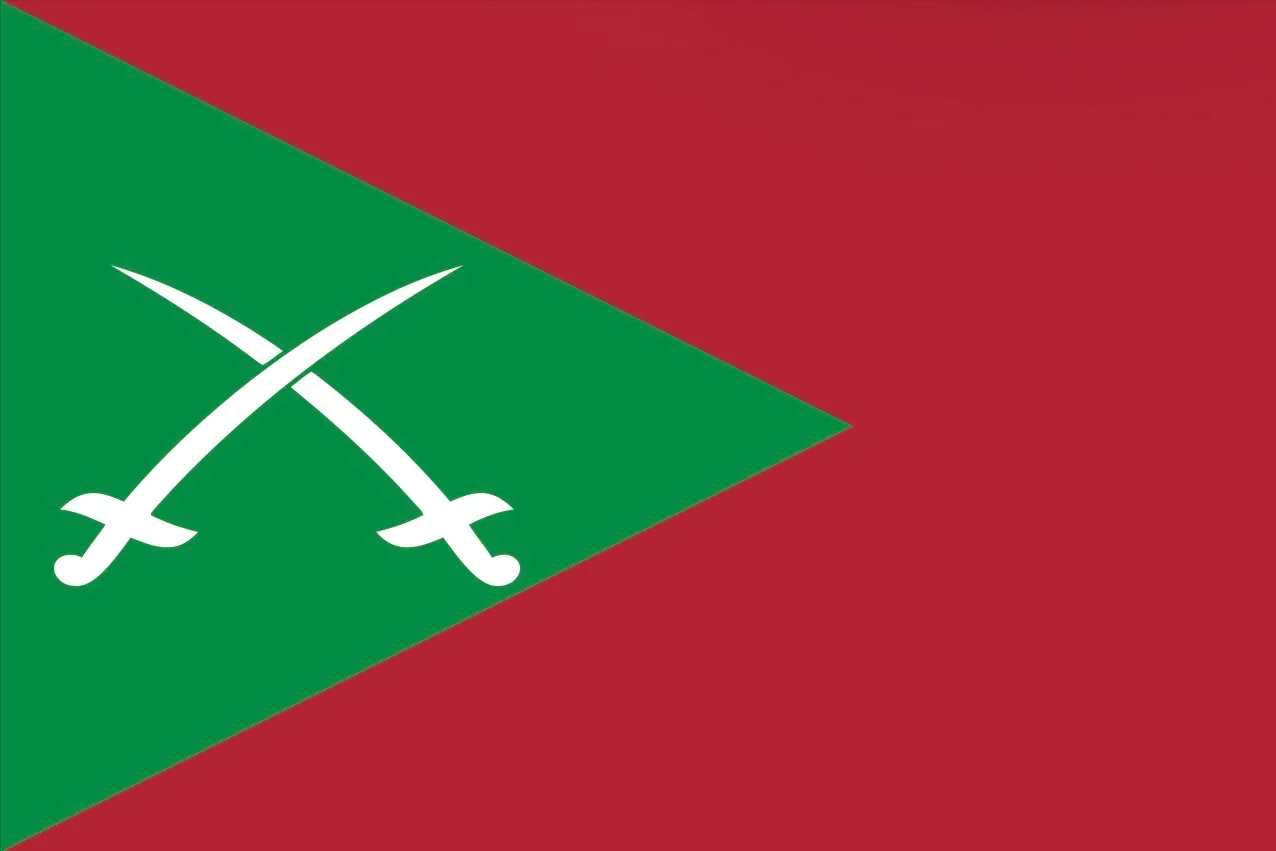
a lingua franca of archipelagic empire

0040
Jinga

Jinga

by Passordis waterbottle

93202
OC

Old coskian

by Sergio Ferrón

The ancestor of coskian

102510
WH

Whispish

by Yrths

A personally aesthetic engineered language with mandatory emotional and teleological information, rhythm controls, rhyme protection, and high information density per syllable. Whispish, or fther, takes its exonym from its hwispy sound, but has no labial plosives.

0000
Mathal
Learn

Mathal

by Phil Leasure

A magical, agglutinative language spoken in the Realm of the Gods. It features an original runic script and a phonemic system inspired by Old West Norse. If you want to know more, check out this server: https://discord.gg/JDBcVqgxs

505060237
SO

Sorian

by Ianis Pavel

0040
PR

Pre Robonian

by Ianis Pavel

4000
CA

Carsovian

by Charlos Resino

0000
Gilyani Bitiasau Language

Gilyani Bitiasau Language

by Vorsitzenderin Sofia

Gilyani Bitiasau (/giˈlja.ni biˈti.a.sau/) is an early Bitiasau language representing a relatively conservative ancestral stage from which Igniazi and Zinari later descend. It stands structurally closer to Igniazi than to Zinari, the latter having undergone substantial Tesian influence in phonology, lexicon, and administrative style. Gilyani preserves older lexical forms, fuller vowel realisations, and more transparent consonant sequences that were later reduced, fused, or regularised in the daughter languages. It has a predominantly open to lightly closed syllable structure, regular penultimate stress, and a compact vowel inventory /a e i o u/. The consonant system is simpler than that of later Igniazi, but already preserves conservative realisations such as /β ð ɣ ɾ/, while orthographic y continues to mark inherited palatalising sequences. In careful speech, sequences written sy, zy, ny, and gy remain overt clusters rather than merged reflexes.

3694201
phrosipa
Learn

phrosipa

by Gloom987

7182883
Rügsmolą

Rügsmolą

by Johron

Rügsmolą i eih molą hostöts Ny̨däwropae, Rügie. Molidą hamner Virksi Dyttsmolovom, Polsmolovom ki Finnsmolovom, bą̈r i gömaną.

1083240
RO

Robonian

by Ianis Pavel

4000
Neo-Etruscan

Neo-Etruscan

by Lanthanon

Neo-Etruscan, also Etrusco Novo and, officially, Huslne keanθe ("New language"), is an attempt to modernize the ancient etruscan language (Κeanθe eneseras sianζeras, "language of our fathers"). It is based off what remains.

5252323
...
ᚱ ꦏ Ω ᛟ გ अ ع ש ᜀ ᓀ θ Ψ ᚠ 愛 ⴀ
LingoCon

The professional toolkit for language construction. Free, open-source, and built by conlangers, for conlangers.

Product

DashboardBrowse LanguagesLanguage FamiliesSearch

Community

DiscordContributeCommunity SurveyDeveloper Docs

Support

ContactDonateGitHub

© 2026 LingoCon · v2.0 Public Beta

Made with intellectual curiosity and ❤ for the art of language creation